 Caves, terraces, waterfalls and wild places of Vietnam, season by season
Understand
Responsible visiting: caves, farms, parks and border land
Most of the places on this site are fragile in a specific way: cave formations that do not regrow, terraces that are somebody's harvest, forests where noise ends a wildlife sighting, and border areas with their own rules. This page sets out what that means in practice.
Why it matters here
Several of the places in this guide limit visitors on purpose. Son Doong takes about 1,000 people a year in groups of ten and is closed for four months annually. Rafts on the Ban Gioc pool are limited in number and kept away from the base of the falls. The Phong Nha area was designated a UNESCO World Biosphere Reserve in 2026. Those limits exist because these places are easy to damage and slow to recover.
Sources: Dan Tri International — Son Doong places booked to 2027 (31 March 2026); Wikipedia — Hang Son Doong (secondary summary of cited sources); Tuoi Tre News — Ban Gioc–Detian pilot opening (May 2023); Phong Nha–Ke Bang National Park management board — history of formation · last checked .
In caves
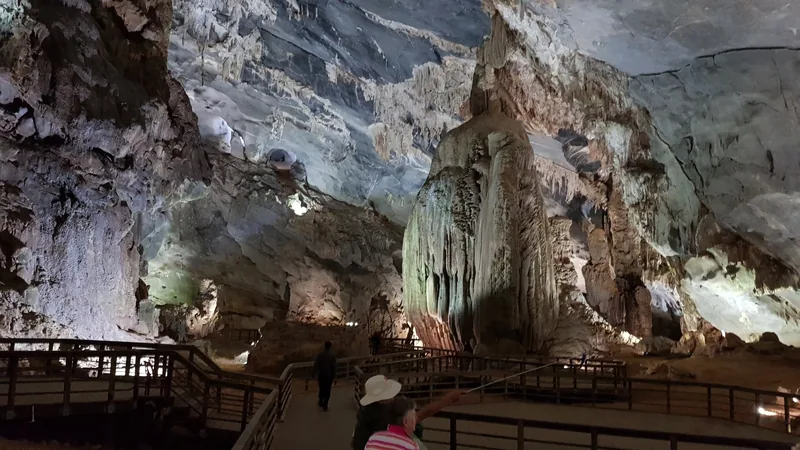
- Do not touch formations. Skin oil stops growth, and broken stalactites do not grow back in a human lifetime.
- Stay on the walkway or the guide’s line. In adventure caves, step where the guide steps.
- Carry out everything, including food wrappers and tissue; there are no bins underground.
- Keep lights off bats and roosting birds; on overnight trips near Hang En, keep noise down after dark.
- Respect weight and age limits on zip lines and ropes; they exist for the equipment, not for paperwork.
Sources: Jungle Boss — Quang Binh ticket list (commercial operator blog, Vietnamese); Vietnam National Authority of Tourism — a complete guide to Phong Nha · last checked .
On terraces and farmland
- Walk on the terrace walls and paths people use; never cut across planted or flooded fields.
- Viewpoints on private land may ask for a small fee; it is the farmer’s income, pay it.
- Ask before photographing people working, and do not pay children for photographs.
- Fly drones high and away from people and livestock, and check local rules first.
- Do not pick rice or flowers, including buckwheat on the Dong Van plateau.
Sources: Local Vietnam — Mu Cang Chai guide (independent guide) · last checked .
In national parks
- Book activities at the park visitor centre where possible; one guide notes that the fee then goes to the park.
- Do not feed animals, including the monkeys around rescue centres and headquarters.
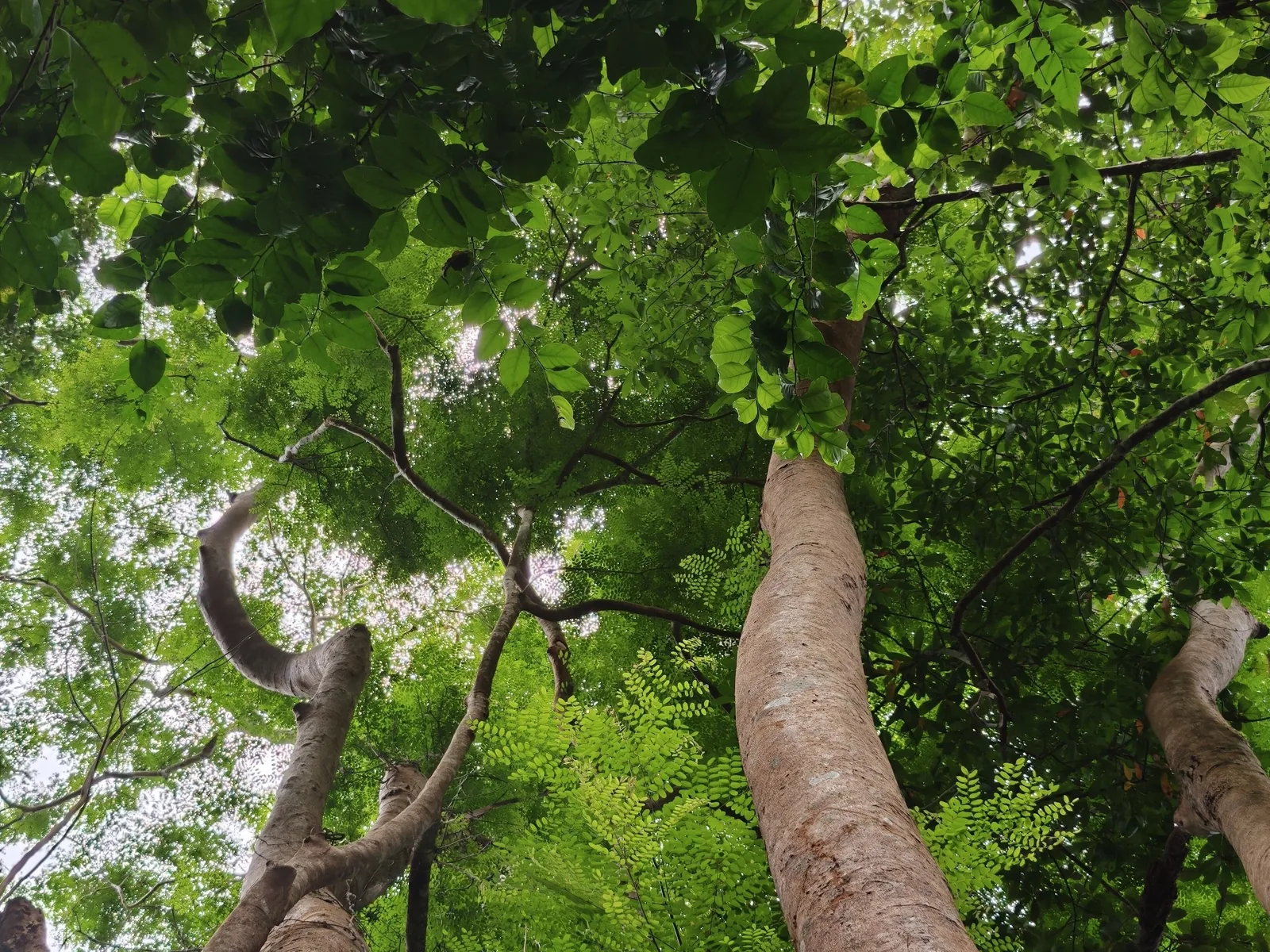
- Keep to marked trails, and to the night-time rules on ferries and roads; at Cat Tien, night crossings are reported as not allowed except by arrangement.
- Do not buy wildlife products of any kind; the rescue centres exist because of that trade.
Sources: vietnamtourism.com — Cat Tien gibbons and night safaris (commercial guide); Wikivoyage — Cat Tien National Park (community guide); Vinpearl — Cuc Phuong guide (commercial guide) · last checked .
In geoparks
- Do not take rocks, fossils or minerals; they are the reason for the title.
- Use the information boards and visitor centres; they turn a roadside view into an explanation.
- Remember that villages inside the geopark are homes, and markets are for local trade first.
Sources: UNESCO — Dong Van Karst Plateau UNESCO Global Geopark · last checked .
Buying and giving
Buy food, drinks and crafts in the villages you pass through, from the people who made or grew them, and accept the asking price for small items. Do not hand out sweets, money or gifts to children on trails; it teaches them to leave school for the roadside. If you want to give, give through a school, a clinic or a community project that someone local can point you to.
At rescue centres, the entrance fee and any donation box are the direct way to support the work.
In border areas
Ban Gioc and the Dong Van plateau are on the Chinese border. The UK Foreign Office says that visiting villages close to the border may need permission from the provincial police, that border areas may be unmarked, and that photographs should not be taken near military bases. Carry your passport, follow signs and instructions from officials, and do not cross markers or fences for a view.
Sources: UK Foreign Office — Vietnam safety and security; Vietnam Airlines travel guide — Ban Gioc Waterfall · last checked .
Choosing a guide or operator
This guide does not name or rate operators, but the questions that separate a careful one from a careless one are the same everywhere. Ask them before you pay, and expect clear answers.
- Which permits does the trip need, and who holds them? For Son Doong, only one operator is permitted.
- How many visitors and how many staff per group? Small groups do less damage and are safer underground.
- What happens if the weather closes the route: a different day, a different route, or a refund?
- What safety equipment is provided, and is it checked? Helmets, lights, life jackets, harnesses.
- Does the price include park fees, so that the money reaches the park?
Sources: Wikipedia — Hang Son Doong (secondary summary of cited sources); Dan Tri International — Son Doong places booked to 2027 (31 March 2026); UK Foreign Office — Vietnam safety and security · last checked .
Waste, water and plastic
Natural sites in Vietnam are often far from any waste collection. What you carry in tends to stay unless you carry it out. Bring a refillable bottle, take your rubbish back to town, and avoid single-use plastic on treks and boat trips. In caves and on overnight trips, the rule is absolute: everything goes out with you, including food scraps, which attract animals and rot in the stable cave air.
Do not wash with soap in streams or cave pools, and use the toilets at visitor centres before a trek. These are small habits, but they are multiplied by every visitor to places like Hang En and Bau Sau.
Your own safety is part of it
Rescue in rural and mountainous areas is difficult, and the UK Foreign Office reports that foreign visitors have died or been injured in adventure tourism. It advises taking a reputable guide — noting that in some places it is illegal to go without one — using safety equipment, staying on main routes, telling someone your plans and checking that your insurance covers the activity. A rescue puts other people at risk too.
Sources: UK Foreign Office — Vietnam safety and security · last checked .
Common questions
Questions readers ask
Is it acceptable to fly a drone over the terraces?
Check local rules first, keep well away from people and livestock, and avoid border areas entirely.
Should I pay viewpoint fees on farmland?
Yes. Fees at private viewpoints are small and go to the families who build and maintain the terraces.
Do I need a guide in national parks?
For many activities, yes; the UK Foreign Office notes that in some places it is illegal to go without a guide.
Related
Read next
Understand
Caves
Walk-in caves, guided adventure caves and expedition caves: what each involves, with seasons and limits.
Read more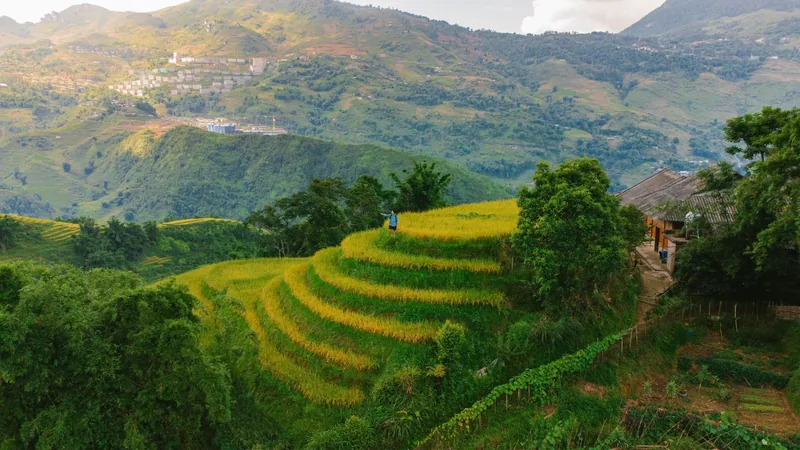
Understand
Rice terraces
What the terraces look like month by month at Mu Cang Chai, Hoang Su Phi and Sa Pa, and why dates move.
Read more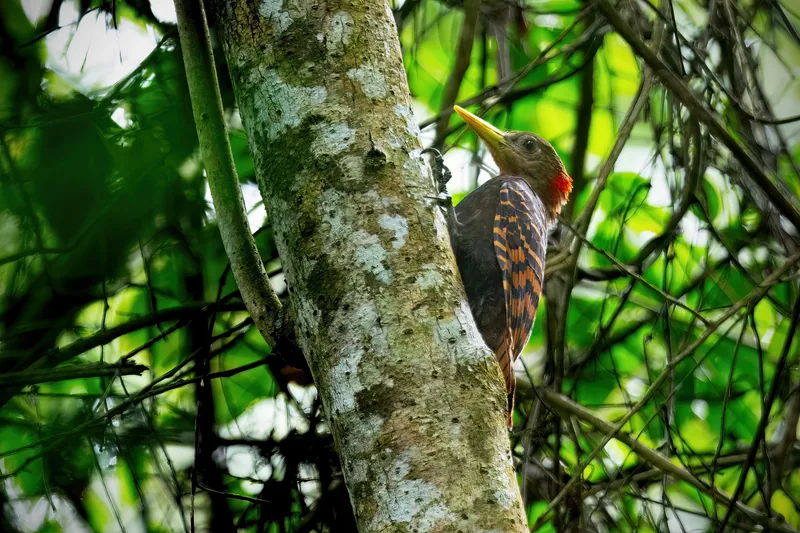
Understand
National parks and wildlife
Cuc Phuong, Cat Tien and Bach Ma: likely sightings, what needs luck, seasons and rescue centres.
Read more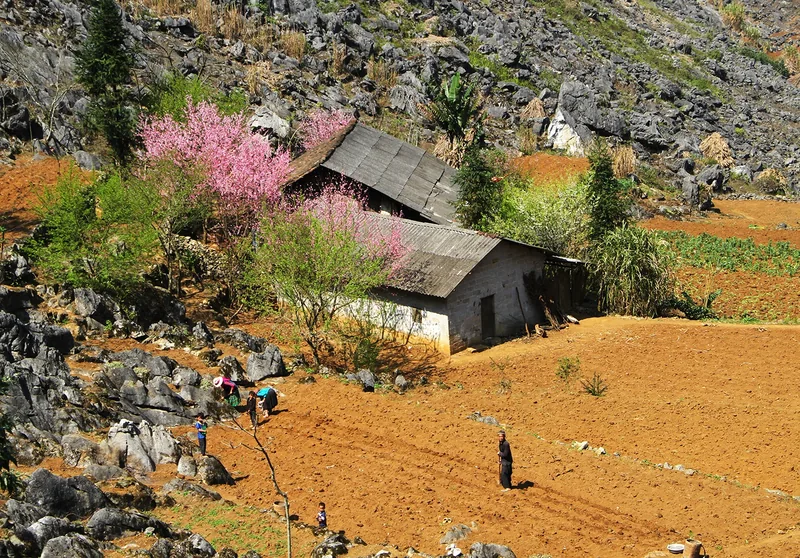
Understand
UNESCO Global Geoparks
The four UNESCO Global Geoparks: dates, areas, what each is known for and how to visit them.
Read more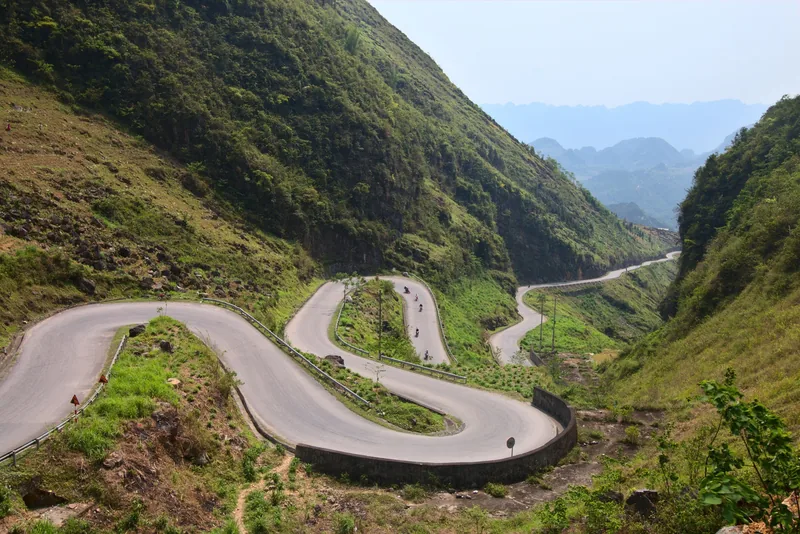
Understand
Weather and closures
Which months bring typhoons, floods and landslides, which sites they close, and how to plan around them.
Read more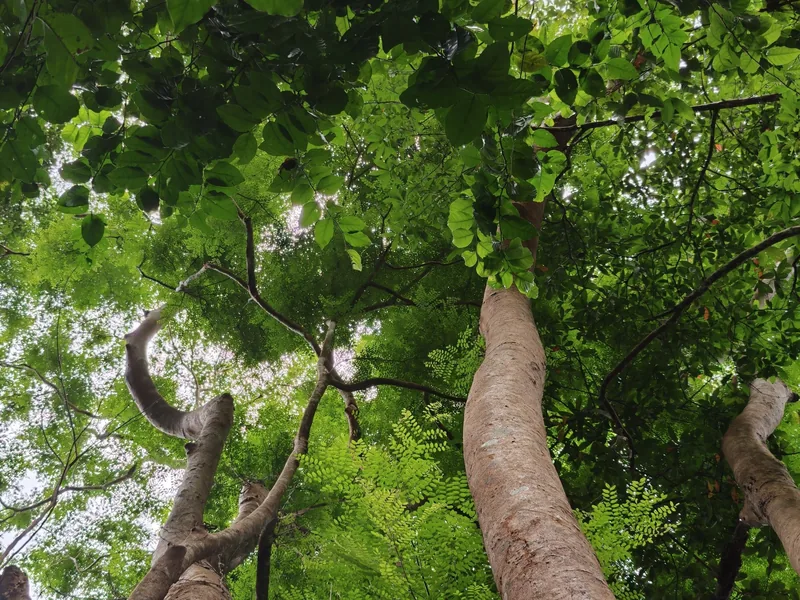
Start planning
Send a correction or a question
Tell us which page you are writing about, what you found on the ground or on an official site, and when. A link to the source helps us check it.