 Caves, terraces, waterfalls and wild places of Vietnam, season by season
Places · Lao Cai
Mu Cang Chai: three short windows a year
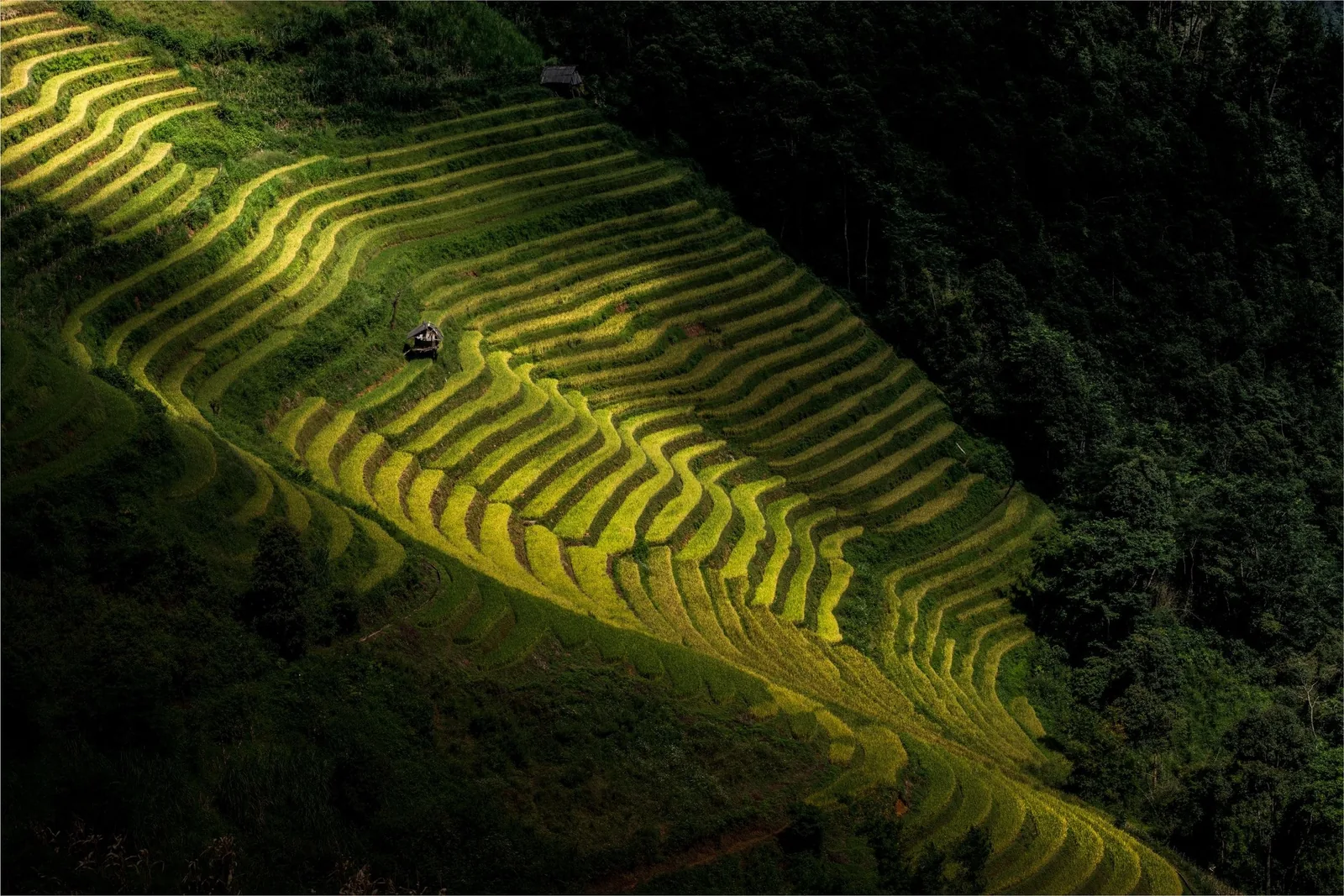
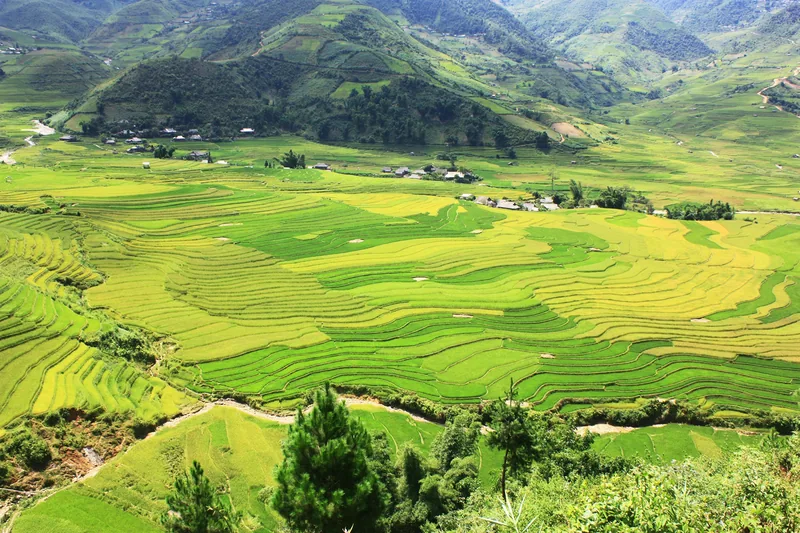
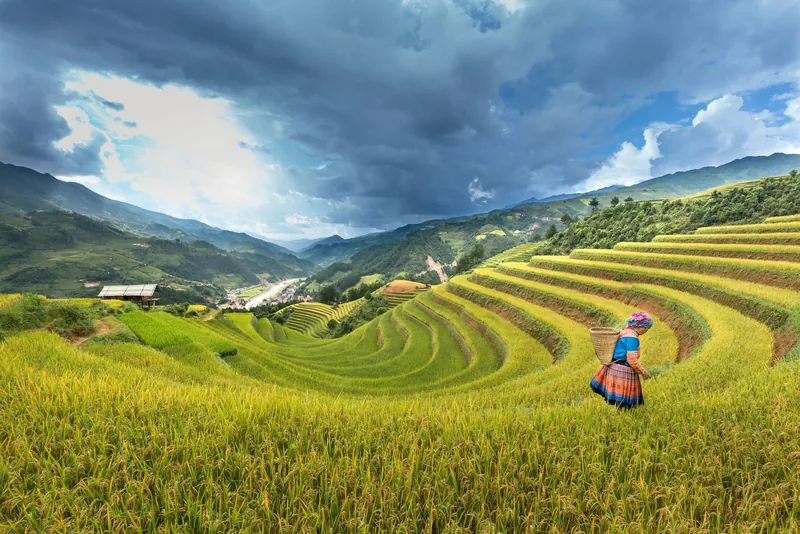
Mu Cang Chai is a highland district of Hmong farming communities whose terraces are protected as a special national relic. The terraces are worth the journey for a few weeks around planting and a few weeks around harvest. Outside those weeks, the hills are still there and the reason most people come is not.
At a glance
- Province
- Lao Cai (was Yen Bai)
- Protected terraces
- About 2,200 ha
- Water season
- Late May to early June
- Harvest
- September to early October
- From Hanoi
- About 300 km, 7–8 hours
- Nights
- 2
What Mu Cang Chai is
The protected terraces cover about 2,200 hectares in three communes: La Pan Tan, Che Cu Nha and De Xu Phinh. The Ministry of Culture, Sports and Tourism listed them as a national relic in 2007, and the Prime Minister raised them to a special national relic, a status reported in January 2020. Hmong people make up more than 90 per cent of the district's population, and the terraces are working farmland, not a park.
The district town is a small place strung along the main road. The terraces are spread around it on steep valley sides, and the well-known viewpoints are between 2 and 30 kilometres from town on narrow, steep roads. Since July 2025 the district has been part of Lao Cai province, after Yen Bai was merged into it, so you will see both names on maps and bus tickets.
Sources: Government news portal — Mu Cang Chai terraces a special national relic; Local Vietnam — Mu Cang Chai guide (independent guide); Resolution 202/2025/QH15 on provincial reorganisation, LuatVietnam text · last checked .
The three windows
Our reading of the cited guides: filled = water-pouring or golden harvest; half = young or green rice, or the tail of the harvest; empty = fallow or cut fields.
| Window | Months | What you see |
|---|---|---|
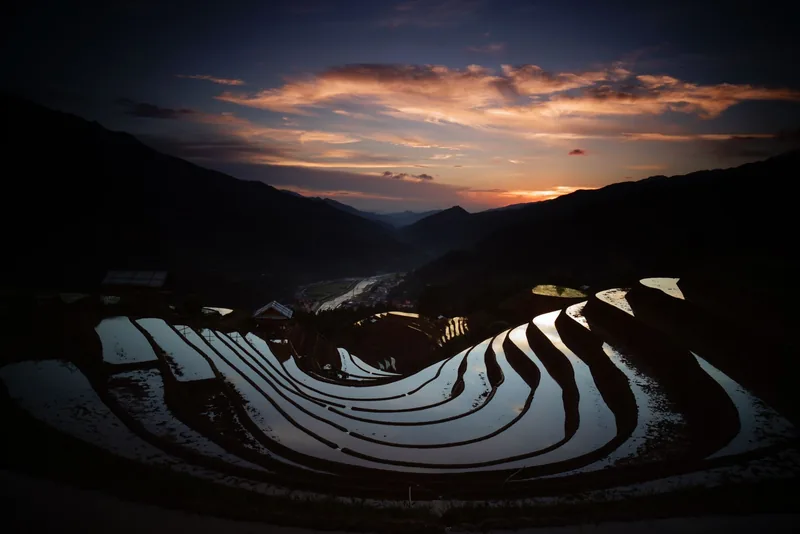
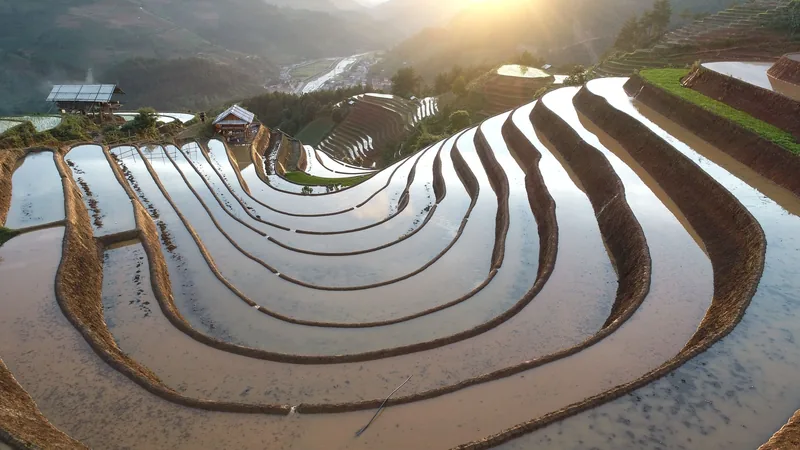
| Water | Late May to early June | Flooded terraces reflecting the sky; ploughing and planting |
| Green | June to August | Young shoots, then deep green rice; the rainy months |
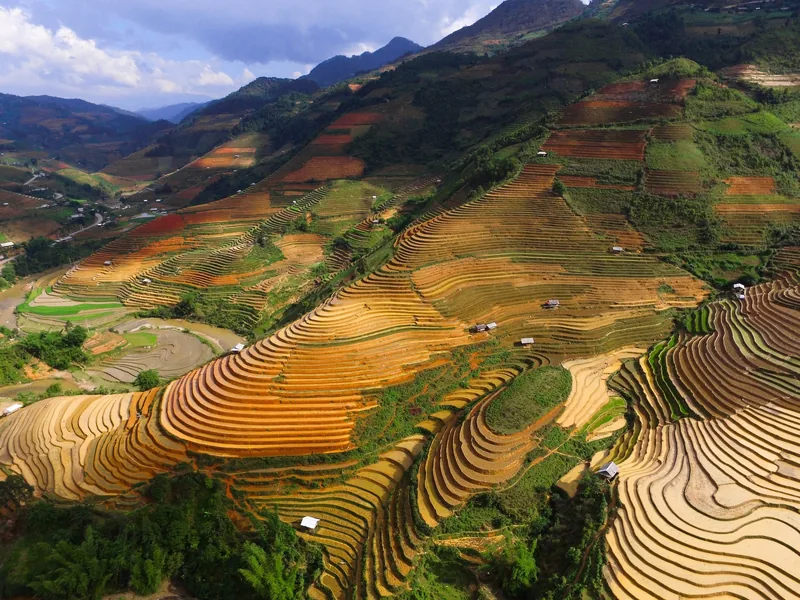
| Golden | September to early October | Ripe rice; the harvest; many fields cut after about 15 October |
| Fallow | Late October to April | Cut stubble and bare terraces; cold and misty in winter |
The tourism authority gives late May to early June for water pouring and September to October for the harvest. An independent guide narrows the gold to September, with the peak in early October and many fields harvested after the middle of the month. Altitude and the year's rain move these dates by a week or two in either direction.
Sources: Vietnam National Authority of Tourism — Mu Cang Chai water-pouring season; Local Vietnam — Mu Cang Chai guide (independent guide) · last checked .
Where to look
- La Pan Tan, about 30 km from town, part of the protected area and quieter than the roadside viewpoints.
- Mam Xoi Hill, about 5 km from La Pan Tan, a whole hill terraced in rings; the tourism authority calls it the unofficial viewing platform.
- Che Cu Nha, about 25 km from town; the last 2 km is steep and risky on a motorbike.
- Sang Nhu, a horseshoe-shaped terraced hill about 2 km from town.
- Khau Pha Pass, more than 30 km of road after Tu Le, with views back over the valley; paragliders fly here during the September festival.
Trails between fields are unmarked and belong to the farmers who built them. A local guide or a driver from your homestay is the usual way to reach the viewpoints, especially after rain.
Sources: Local Vietnam — Mu Cang Chai guide (independent guide); Vietnam National Authority of Tourism — Mu Cang Chai water-pouring season · last checked .
How many nights
Two nights is the planning minimum. The journey from Hanoi takes seven to eight hours, which leaves little light on arrival day. The viewpoints are spread over 30 kilometres of mountain road, and morning cloud can hide the valley for hours. A second full day gives you a second chance at clear light.
One night works only if you arrive the evening before and accept that the weather may not cooperate. Three nights suits photographers who want both early and late light at La Pan Tan and Che Cu Nha.
Sources: Local Vietnam — Mu Cang Chai guide (independent guide) · last checked .
Getting there
There is no railway to Mu Cang Chai. Direct buses from Hanoi take about seven to eight hours, mainly between May and October, and sleeper buses cost around VND 250,000 to 400,000. Alternatively, take the train from Hanoi to Yen Bai station, about four hours, and continue about four hours by road. A daily bus links the Sa Pa area to Mu Cang Chai in about five hours.
By motorbike, the road over Khau Pha is steep, narrow and slippery in rain, and the independent guide we cite describes the pass as one of the most dangerous in the region. The UK Foreign Office advises inexperienced riders not to hire motorbikes at all.
Sources: Vietnam National Authority of Tourism — Mu Cang Chai water-pouring season; Local Vietnam — Mu Cang Chai guide (independent guide); UK Foreign Office — Vietnam safety and security · last checked .
What it costs, roughly
| Item | Reported price | Note |
|---|---|---|
| Sleeper bus Hanoi–Mu Cang Chai | VND 250,000 to 400,000 | About 7 to 8 hours |
| Bus Sa Pa–Mu Cang Chai | About USD 15 | About 5 hours, daily |
| Viewpoint fees | Small local fees at some viewpoints | Amounts not sourced; carry small notes |
Transport figures come from an independent guide; check before you go. We do not publish homestay or hotel prices, which change with the season and fill up in the harvest weeks.
Sources: Local Vietnam — Mu Cang Chai guide (independent guide) · last checked .
Pictures
Who should skip it, and when not to go
- Anyone travelling from late October to April who wants rice on the terraces: the fields are cut or fallow.
- Inexperienced motorbike riders: the passes and access roads are steep and slippery.
- Travellers with one day: the round trip from Hanoi alone is fourteen to sixteen hours.
- Visitors who want paths and fences: the terraces are working farms with unmarked trails.
- Anyone in the heaviest summer rain, when landslides close roads across the north-west.
Common questions
Questions readers ask
When exactly is the water season?
Late May to early June, according to the tourism authority. Ploughing and planting can start a little earlier or later depending on the rains.
Is the harvest over by mid-October?
Much of it, yes. Early October is the peak and many fields are harvested after about 15 October.
Can I take the train to Mu Cang Chai?
Only part of the way. Take the train to Yen Bai station, about four hours from Hanoi, then about four hours by road.
Do I need a guide?
Not to see the terraces from the road. To reach La Pan Tan, Mam Xoi or Che Cu Nha safely, a local driver or guide helps, especially after rain.
Related
Read next
Understand
Rice terraces
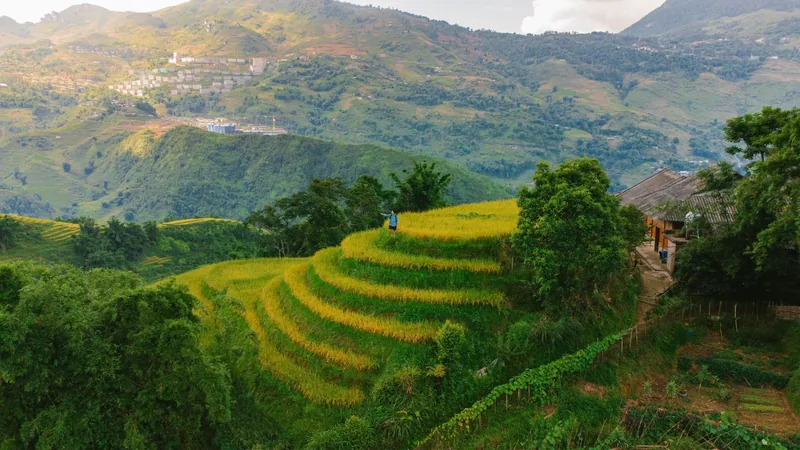
What the terraces look like month by month at Mu Cang Chai, Hoang Su Phi and Sa Pa, and why dates move.
Read more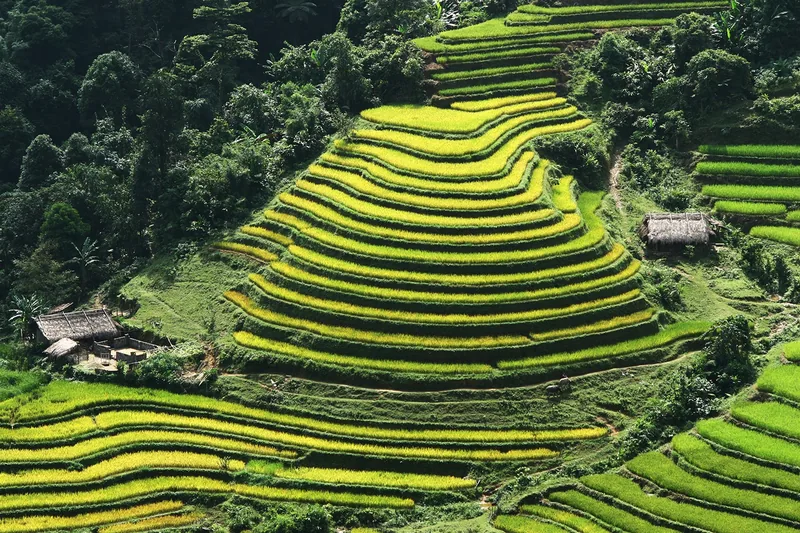
Seasons
Nature calendar
Twelve months of terrace water, green and harvest, waterfall flow, cave season and park conditions.
Read more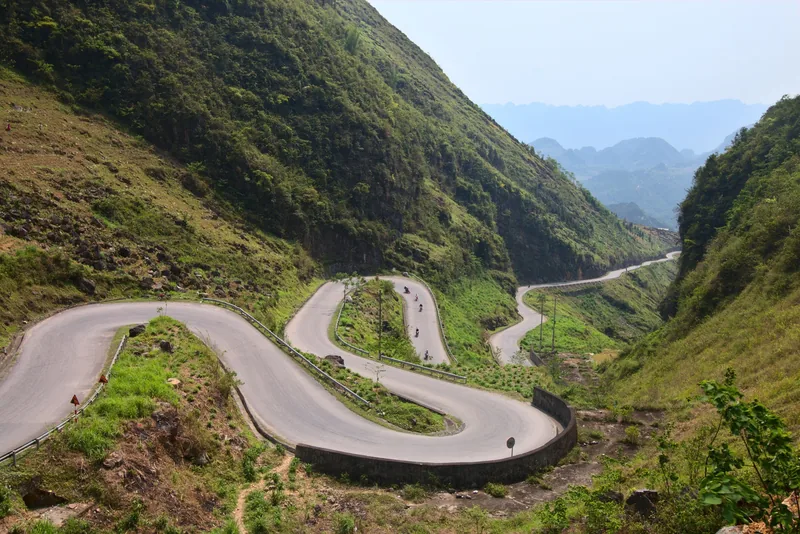
Understand
Weather and closures
Which months bring typhoons, floods and landslides, which sites they close, and how to plan around them.
Read more
Understand
Responsible visiting
Practical rules for caves, terraces, national parks, geoparks and border areas.
Read more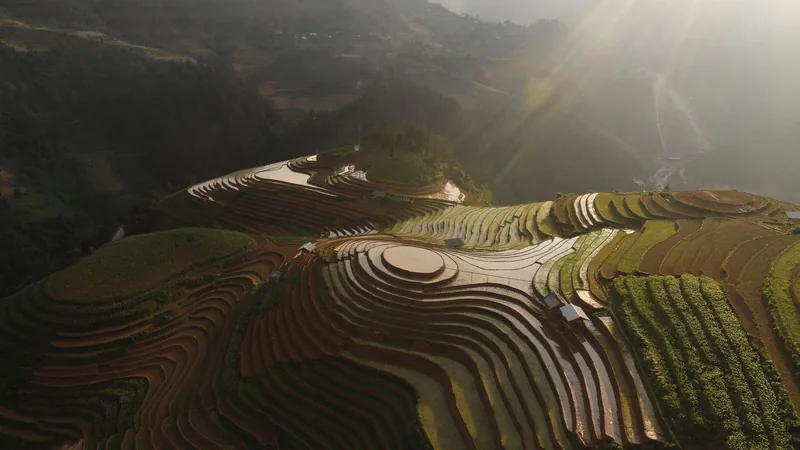
Places
Places
Side-by-side comparison of the four places covered in depth: seasons, travel times and access.
Read more
Places · Tuyen Quang
Dong Van Karst Plateau
The geopark, Ma Pi Leng and the Nho Que canyon, seasons, permits, the road from Hanoi and when to skip it.
Read more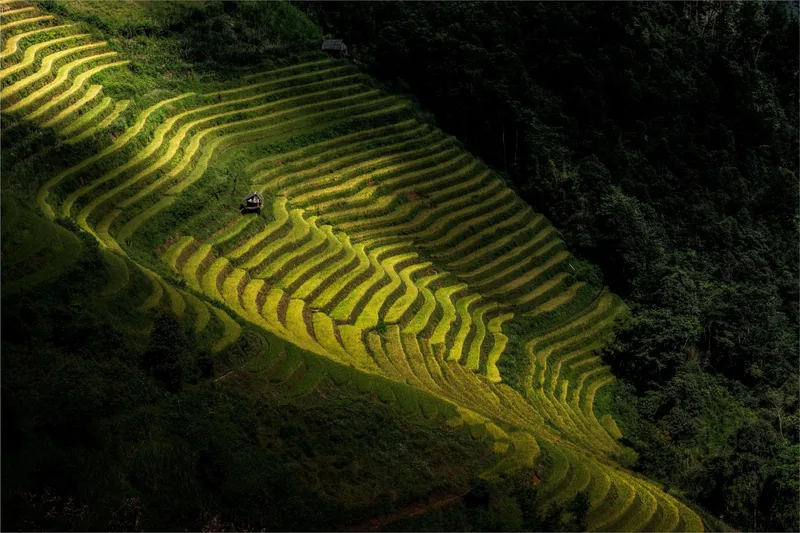
Start planning
Send a correction or a question
Tell us which page you are writing about, what you found on the ground or on an official site, and when. A link to the source helps us check it.