 Caves, terraces, waterfalls and wild places of Vietnam, season by season
This guide
About this guide and how we check it
Vietnam Awesome is an independent English-language guide to Vietnam's natural places. This page explains who writes it, where the facts come from, what the dates mean, what we do not do, how advertising is handled, what we do badly and how to correct us.
Who writes it
The pages are written and checked by the Vietnam Awesome editors, who are named as the author on every page. The guide covers one subject: the natural places of Vietnam — caves, rice terraces, waterfalls, geoparks and national parks — and the seasons and conditions that decide when and how they can be visited.
The guide is published in English for readers planning their own trips. It does not try to cover cities, food, visas or whole-country itineraries; those questions are better answered elsewhere, and a guide that tries to do everything ends up checking nothing properly.
Where the facts come from
We use sources in this order of preference:
- Park management boards and the bodies that run protected areas, such as the Phong Nha–Ke Bang National Park board.
- Government portals and agencies: the national tourism authority, the government news portal, provincial portals, ministries and conservation agencies.
- International bodies with a direct role, such as UNESCO for geoparks and World Heritage, and Guinness World Records for record claims.
- Foreign-ministry travel advice, especially the UK Foreign Office, which states its own revision date.
- State and international news agencies for events such as storms or changes in access.
- Independent and commercial guides, labelled as such in the source line, used only where nothing official answers the question.
Commercial guides are often the only published source for ticket prices and transport times at natural sites. When we use one, the source line says so, and the page presents the figure as a reported range to check before you go. When two sources disagree — the height of Ban Gioc, for example — the page shows both and says which is which.
What the dates mean
Each page shows when it was published and when it was last reviewed. Each block holding a fact that can change has a source line underneath it with a date marked last checked. That is the day an editor read the cited source and compared it with the page, not the day the site was rebuilt.
A last-checked date describes our work, not the rule. Parks change ticket prices, operators change seasons and storms close roads without notice. Before you travel, open the source in the line and read it yourself.
What we do not do
- We do not sell tours, tickets, permits or transport, and we take no bookings.
- We do not rank or rate places, companies, hotels or guides, and we publish no ranked lists.
- We do not name tour companies in the text, except where a single operator holds an official permit and the fact matters to access, and then only as a fact.
- We do not accept payment to mention or describe a place or business in the text.
- We do not publish reviews or quotes attributed to travellers.
Advertising
The site may carry advertising to pay for its upkeep. Advertising appears only in spaces labelled “Advertisement”, set apart from the text, and never inside a paragraph, table or list. An advertiser has no say over what the pages say, and buying an advertisement does not buy a mention.
Advertising links open in a new tab and are marked as sponsored. If an advertisement on this site looks misleading or out of place next to a page, tell us through the contact page. Advertising enquiries come through the same form, under the subject for advertising.
What we do badly
- Real-time conditions. A flood, landslide or cave closure this week will not show here until someone tells us.
- Prices. Official, dated ticket schedules are rare for natural sites, so many prices are reported ranges.
- Remote places. Hoang Su Phi, Dak Nong and Lang Son have thinner coverage because there is less we can confirm.
- Languages other than English.
Corrections
If a page is wrong, out of date or unclear, tell us through the form on the contact page. The most useful reports say which page and which sentence, what you found instead, when, and how you know: a link to an official notice, or a description of what you saw on the ground and on what date.
Every report is read by an editor. When a correction is confirmed, we change the page, update its last-reviewed date and the last-checked date of the block concerned, and record significant changes in the log below. Where a report is credible but we cannot confirm it, we may add it as a traveller report, labelled as such.
Corrections log
First edition published on 26 October 2026. No corrections recorded yet.
Common questions
Questions readers ask
Who writes the guide?
The Vietnam Awesome editors, who are named as the author on every page.
Do you accept payment to mention a place or business?
No payment buys a mention in the text. Advertising, when there is any, appears only in labelled spaces.
Why do some prices come from commercial websites?
Because official, dated price lists are rare for natural sites. We label those sources and present the figures as ranges to check.
How do I report a mistake?
Use the form on the contact page. Say which page, what is wrong and how you know.
Related
Read next
This guide
Contact
Send the editors a correction, a question about a page or an advertising enquiry.
Read more
Independent nature guide
Home
Start here: places, seasons, access rules and the weather that closes sites.
Read more
Seasons
Nature calendar
Twelve months of terrace water, green and harvest, waterfall flow, cave season and park conditions.
Read more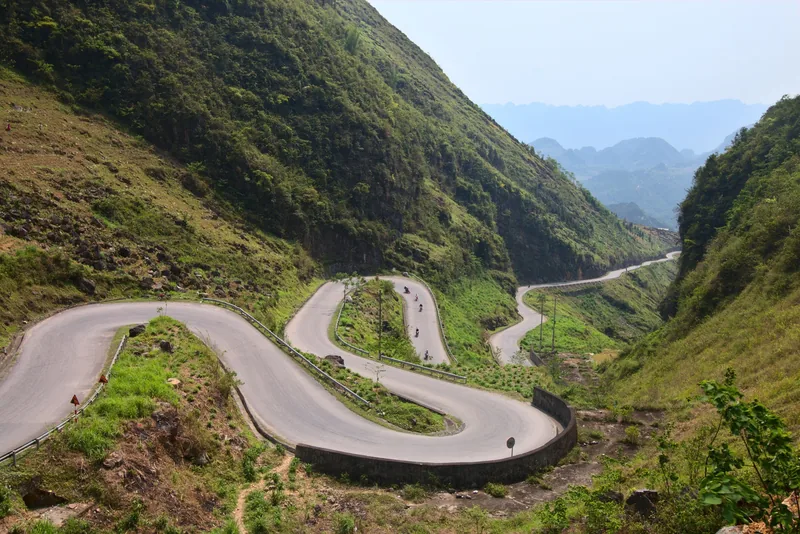
Understand
Weather and closures
Which months bring typhoons, floods and landslides, which sites they close, and how to plan around them.
Read more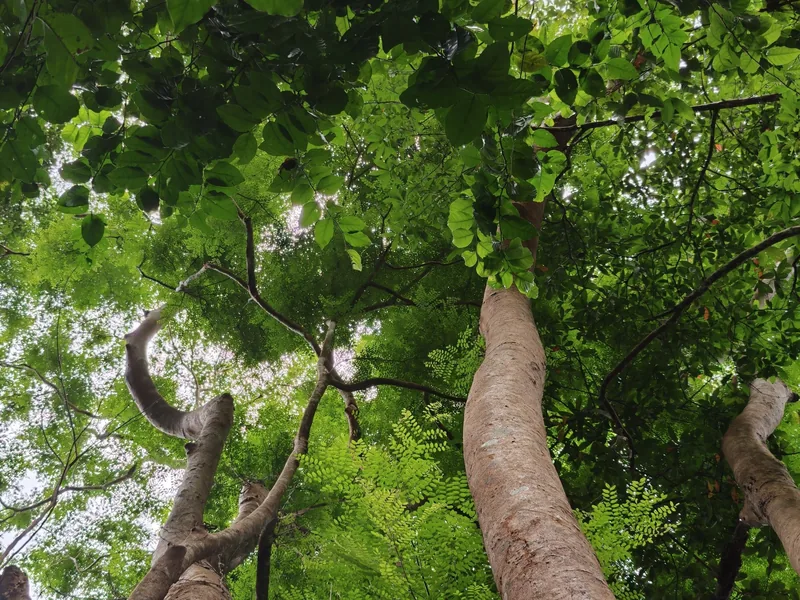
Understand
Responsible visiting
Practical rules for caves, terraces, national parks, geoparks and border areas.
Read moreStart planning
Send a correction or a question
Tell us which page you are writing about, what you found on the ground or on an official site, and when. A link to the source helps us check it.