 Caves, terraces, waterfalls and wild places of Vietnam, season by season
Independent nature guide
Vietnam's natural places, and when they are at their peak
A guide to the caves of Phong Nha–Ke Bang, the rice terraces of the north-west, waterfalls on the Chinese border, four UNESCO Global Geoparks and the national parks where wildlife still lives. Each page says what a place looks like, which months suit it, what access requires and when to stay away.
What this guide covers
Vietnam's landscapes run on calendars. A terrace that is a mirror of water in late May is green in August and bare stubble in December. A waterfall that thunders in August can be a set of thin threads in March. Some caves you walk into on a boardwalk; others need a permit, a fitness test and a place booked years ahead. This guide is organised around those facts rather than around adjectives.
Four landscapes in depth
Phong Nha–Ke Bang, Ban Gioc Waterfall, Mu Cang Chai and the Dong Van Karst Plateau: when to go, how long to stay, how to get there and when to skip. See the places.
Month by month
Water, green and harvest months for the terraces, flow by month for the falls, and the cave season. Open the nature calendar.
Walk-in or expedition
Which caves are boardwalks and boat trips, which are day adventures, and which need an expedition permit. Read the cave guide.
UNESCO Global Geoparks
Dong Van, Non Nuoc Cao Bang, Dak Nong and Lang Son: what the title means and what you can see. Read about the geoparks.
Parks and what you really see
Cuc Phuong, Cat Tien and Bach Ma, with honest odds on gibbons, gaur and pheasants. Read the wildlife page.
Weather that closes sites
Typhoons, floods and landslides: which months, which places, and what to do about it. Read the closures page.
Four places, four kinds of landscape
- Phong Nha–Ke Bang — a limestone massif in Quang Tri province (Quang Binh before the July 2025 merger) with river caves you enter by boat, a dry cave on a one-kilometre walkway, and the expedition-only Son Doong.
- Ban Gioc Waterfall — a wide, tiered fall on the Quay Son River where it forms the border with China, in Cao Bang province.
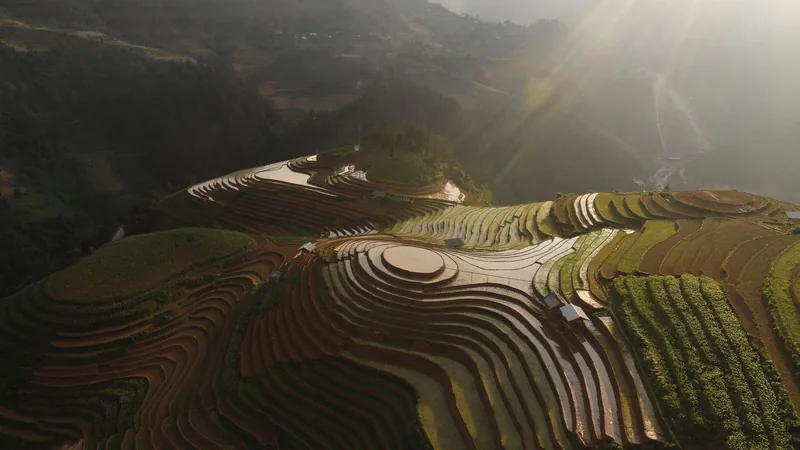
- Mu Cang Chai — about 2,200 hectares of Hmong rice terraces, now in Lao Cai province after the merger with Yen Bai.
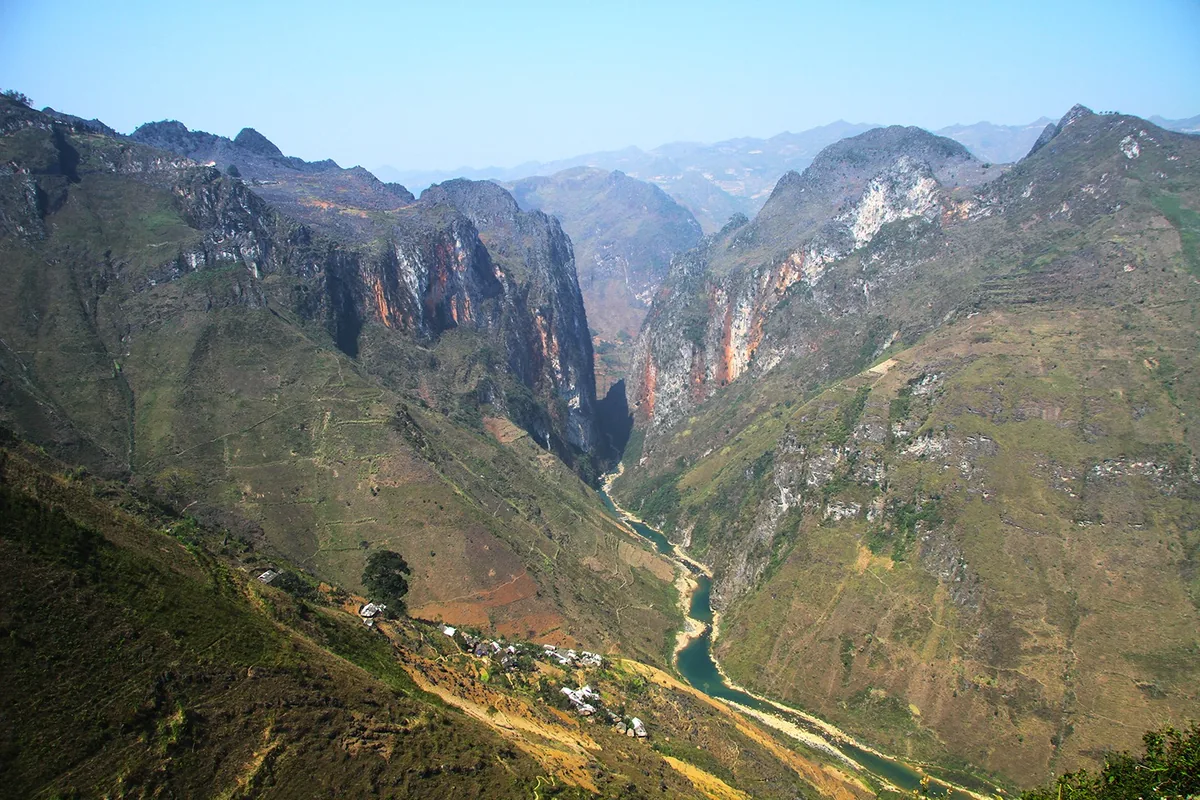
- Dong Van Karst Plateau — a UNESCO Global Geopark of 2,356 km² on the Chinese border, with the Ma Pi Leng pass and the Nho Que canyon.
Province names changed on 1 July 2025, when Vietnam reorganised into 34 provincial-level units. Older guides, maps and bus tickets still use the previous names, so each place page gives both.
Sources: Resolution 202/2025/QH15 on provincial reorganisation, LuatVietnam text; Phong Nha–Ke Bang National Park management board — history of formation; Government news portal — Mu Cang Chai terraces a special national relic; UNESCO — Dong Van Karst Plateau UNESCO Global Geopark · last checked .
The calendar decides more than the route
Most disappointing nature trips in Vietnam are a timing problem, not a destination problem. A few dates do most of the work:
- Mu Cang Chai: water is poured onto the terraces in late May and early June; the harvest runs September to October, and many fields are cut after mid-October.
- Ban Gioc: the flow is weakest around March and highest from June to August; September and October combine high water with clearer river and drier roads.
- Phong Nha: the tourism authority describes October to December as the rainy season, when many caves cannot be reached; Son Doong takes expeditions only from January to August.
- Ha Giang and Dong Van: rice turns golden in September and buckwheat flowers from October to November.
The nature calendar puts these side by side for twelve months.
Sources: Vietnam National Authority of Tourism — Mu Cang Chai water-pouring season; Local Vietnam — Mu Cang Chai guide (independent guide); Local Vietnam — Ban Gioc month by month (independent guide); Vietnam National Authority of Tourism — a complete guide to Phong Nha; Wikipedia — Hang Son Doong (secondary summary of cited sources); Vietnam National Authority of Tourism — Ha Giang · last checked .
What access actually requires
Getting to Vietnam's natural sites is mostly a matter of long road journeys, but a few places add a rule that changes the plan. Son Doong is limited to about 1,000 visitors a year in groups of ten, and every place for 2026 and 2027 had been taken by the end of March 2026. Ban Gioc sits on the border: carry your passport, because checks are possible, and do not expect to cross to the Chinese side, which a pilot scheme opened only to Vietnamese and Chinese tourists. In the far north, the UK Foreign Office notes that visiting villages close to the border may need permission from the provincial police.
Where a rule matters, the page says where it comes from and when we read it. Where we could not confirm it from an official source, the page says that too.
Sources: Dan Tri International — Son Doong places booked to 2027 (31 March 2026); Vietnam Airlines travel guide — Ban Gioc Waterfall; Voice of Vietnam — Ban Gioc–Detian pilot tours; UK Foreign Office — Vietnam safety and security · last checked .
How this guide works
Every block that holds a fact which can change — a ticket price, a season, an access rule, a distance — has a source line underneath with a date marked last checked. That is the date an editor read the source, not the date the page was built. Official sources come first: park management boards, the national tourism authority, government portals and foreign-ministry travel advice. Commercial and independent guides are used where nothing official answers the question, and they are labelled as such in the source line.
Vietnam Awesome does not sell tours, tickets or permits, takes no bookings and does not rate businesses. Advertising, when it appears, sits in spaces labelled as advertisements and is kept apart from the text. The about page explains the editorial rules and how corrections work.
Who this guide is not for
- Travellers who want a company to book through. We do not sell or recommend any.
- Readers looking for beaches, cities or food. The guide stays with caves, terraces, waterfalls, geoparks and parks.
- People planning a whole-country itinerary, visa or budget. Those questions belong to a general planning guide.
- Anyone who needs real-time conditions. A flood or a landslide this week will not show here; check local news and the official forecast.
Common questions
Questions readers ask
Is this an official tourism site?
No. It is an independent guide. It links to park management boards, the national tourism authority and government portals so you can check each rule yourself.
Can you book a cave tour or a permit for me?
No. The guide does not sell anything or take bookings, and it does not name or rate tour companies.
Which month suits most of these places at once?
September and October come closest in the north: golden terraces, strong waterfalls and dry passes. That is also when central Vietnam floods, so caves in Phong Nha are at their least accessible from October.
Why do the place pages use two province names?
Vietnam merged its provinces on 1 July 2025. Quang Binh is now part of Quang Tri, Yen Bai of Lao Cai, and Ha Giang of Tuyen Quang. Older maps and tickets still use the earlier names.
Related
Read next
Places
Places
Side-by-side comparison of the four places covered in depth: seasons, travel times and access.
Read more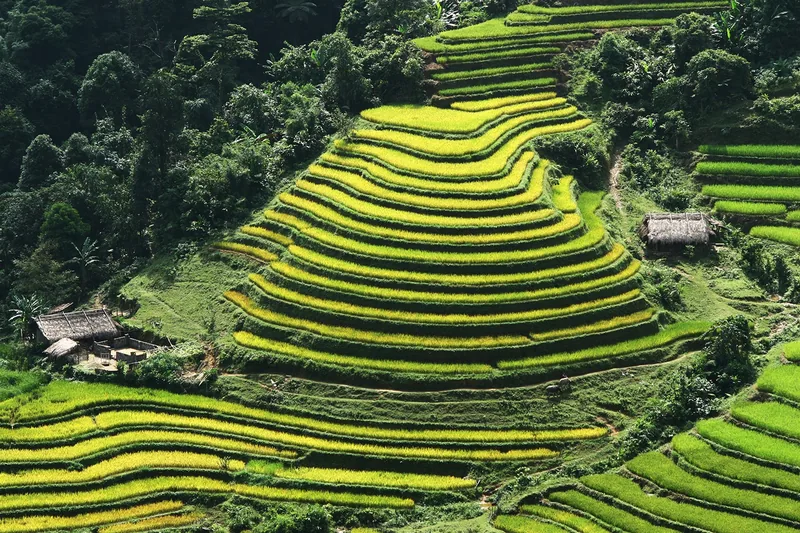
Seasons
Nature calendar
Twelve months of terrace water, green and harvest, waterfall flow, cave season and park conditions.
Read more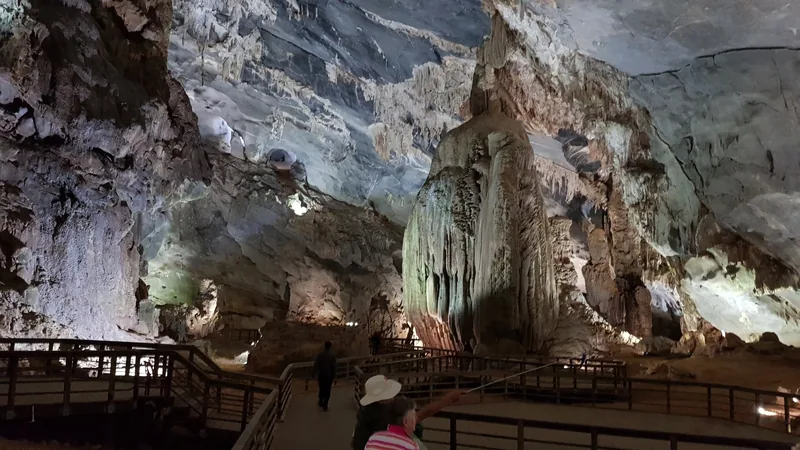
Understand
Caves
Walk-in caves, guided adventure caves and expedition caves: what each involves, with seasons and limits.
Read more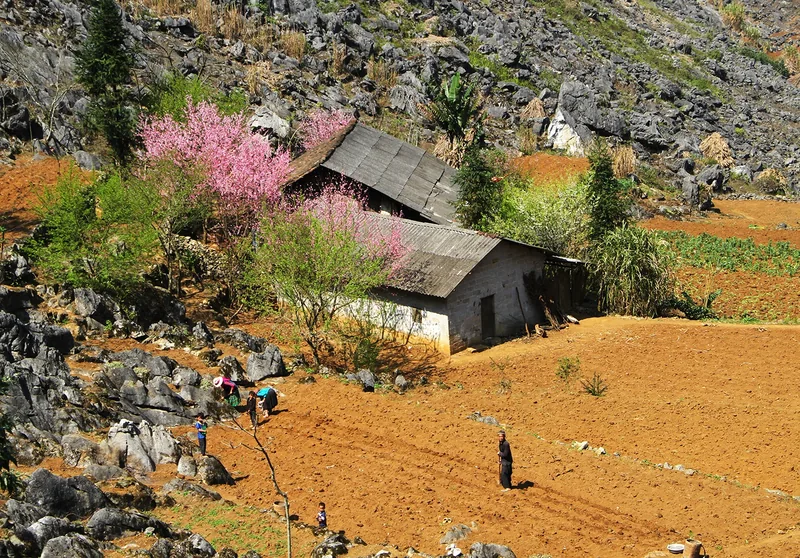
Understand
UNESCO Global Geoparks
The four UNESCO Global Geoparks: dates, areas, what each is known for and how to visit them.
Read more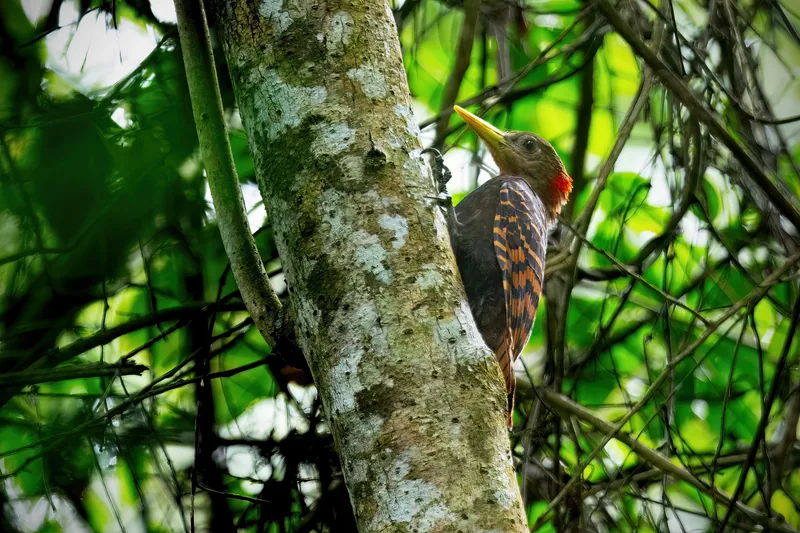
Understand
National parks and wildlife
Cuc Phuong, Cat Tien and Bach Ma: likely sightings, what needs luck, seasons and rescue centres.
Read more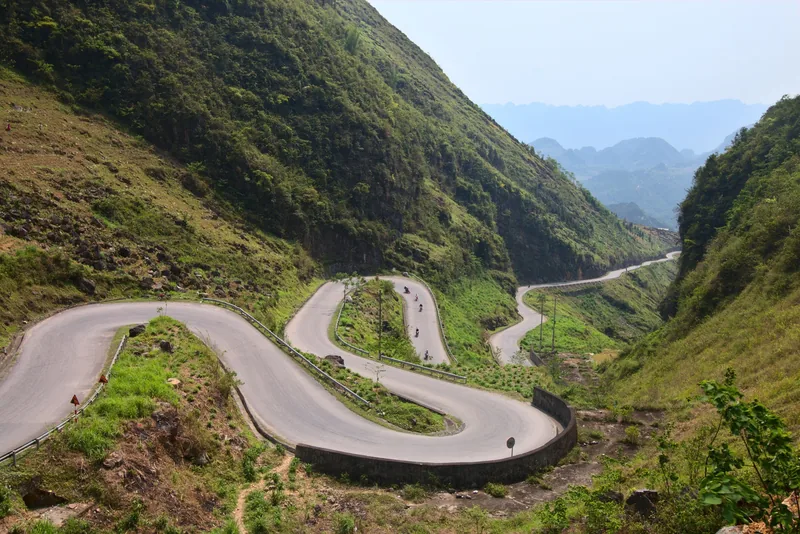
Understand
Weather and closures
Which months bring typhoons, floods and landslides, which sites they close, and how to plan around them.
Read more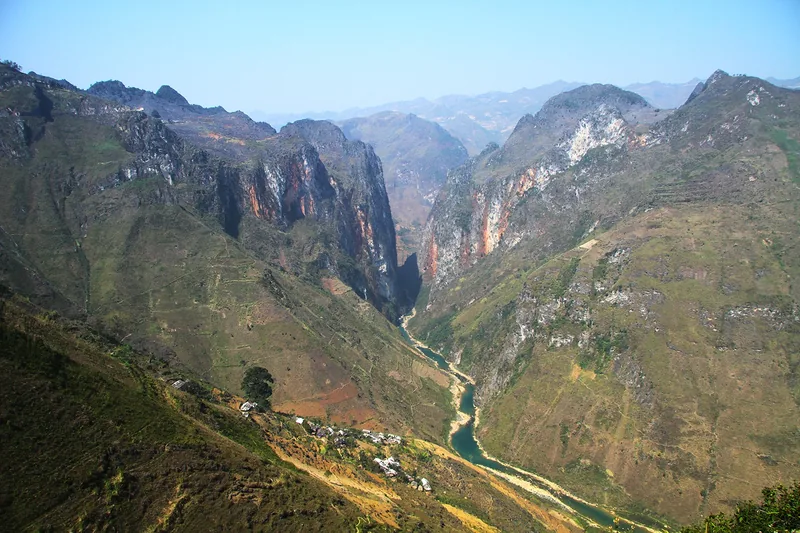
Start planning
Send a correction or a question
Tell us which page you are writing about, what you found on the ground or on an official site, and when. A link to the source helps us check it.